Introduction: Why Reward Programs Matter More Than Ever
Reward programs are one of the most powerful tools businesses use to build loyalty, increase customer lifetime value, and differentiate themselves in competitive markets. As consumers face growing choice fatigue, a well-designed reward program helps brands stand out, create emotional connection, and motivate repeat purchases. Understanding the power of reward programs is essential for any modern company that wants sustainable customer engagement.
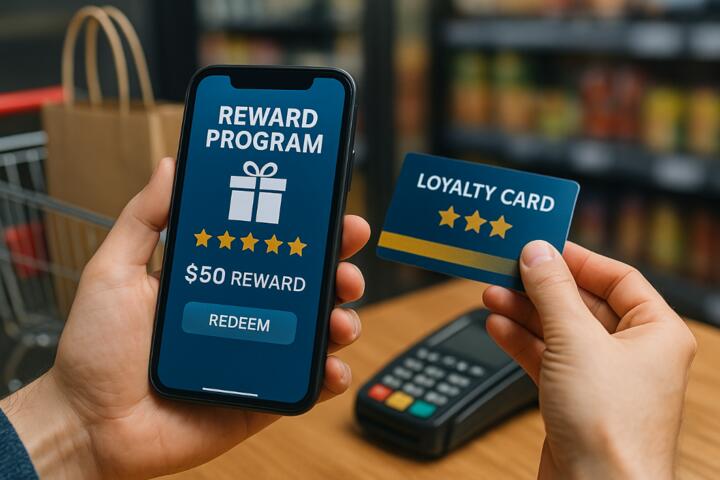
What Makes Reward Programs So Effective?
The Psychology Behind Customer Loyalty
Reward programs work because they tap into core behavioral drivers:
-
Instant gratification — earning points triggers a dopamine release.
-
Progress tracking — visual milestones create motivation, similar to fitness apps.
-
Loss aversion — people don’t want to “waste” unused points.
-
Reciprocity — customers feel valued when they receive personalized rewards.
Companies like Hilton Honors, Starbucks Rewards, and American Airlines AAdvantage leverage these psychological triggers to create highly profitable loyalty ecosystems.
Statistics That Prove Their Power
Data from multiple industry reports shows:
-
The probability of selling to an existing customer is 60–70%, versus 5–20% for new customers (Forrester).
-
Members of strong loyalty programs generate 12–18% more revenue per year (Accenture).
-
72% of consumers say they are more likely to recommend a brand with a good reward program (LoyaltyLion).
Types of Reward Programs and What They Offer
Point-Based Reward Programs
This is the most common model. Customers earn points for each purchase and redeem them later.
Examples:
-
Rakuten Cash Back
-
Sephora Beauty Insider
-
Best Buy Rewards
Benefits:
-
Simple structure
-
Easy to scale
-
Effective across industries
Best for: eCommerce, retail, travel, hospitality.
Tiered Loyalty Programs
Customers move through levels (e.g., Silver → Gold → Platinum) based on spending or activity.
Examples:
-
Hilton Honors Elite Status
-
Delta SkyMiles Medallion Program
Why it works:
-
Creates long-term motivation
-
Encourages repeat purchases
-
Builds exclusivity
Users feel rewarded not just for spending, but for staying loyal year after year.
Subscription-Based Reward Programs
Customers pay a monthly or yearly fee to access benefits.
Examples:
-
Amazon Prime
-
Walmart+
Key advantage:
Subscription models create a “sunk-cost effect,” increasing purchase frequency.
Gamified Reward Programs
Gamification makes rewards feel more interactive and fun.
Examples:
-
Spin-the-wheel bonuses
-
Daily challenges
-
Streak rewards
Platforms like Duolingo and Coursera use gamification to boost engagement and course completion rates.
How Reward Programs Drive Business Growth
Increased Customer Lifetime Value (CLV)
Reward programs encourage:
-
More frequent purchases
-
Higher average order value
-
Stronger emotional commitment
A well-structured loyalty program can boost CLV by 25–40%.
Valuable First-Party Data Collection
With third-party cookies disappearing, brands must rely on first-party data.
Reward programs incentivize customers to share:
-
Preferences
-
Purchase patterns
-
Demographics
This allows companies to create hyper-personalized experiences without violating privacy standards.
Competitive Differentiation
In markets where competitors offer similar products, loyalty programs become the deciding factor.
For example:
-
Many travelers choose airlines based on mileage programs rather than price.
-
Hotel chains compete to offer elite perks such as late checkout, free breakfast, or room upgrades.
How to Build a Reward Program That Actually Works
Step 1: Start With a Clear Goal
Define whether your program is designed to:
-
Increase purchase frequency
-
Boost average order value
-
Improve retention
-
Collect customer data
A reward program without a clear objective often becomes an expensive giveaway.
Step 2: Choose the Right Reward Structure
Match your audience and business model.
| Business Type | Best Reward Program Style |
|---|---|
| Clothing store | Point-based system |
| Travel/hotels | Tiered elite program |
| Marketplace | Cash-back or multi-partner |
| Subscription service | Gamification + perks |
Step 3: Keep the Program Simple
The most common mistake is overcomplicating the rules.
Customers should instantly understand:
-
How to earn
-
How to redeem
-
What the rewards are worth
If they need a calculator, the program will fail.
Step 4: Personalize the Rewards
Use customer data to tailor your offers:
-
Birthday bonuses
-
Personalized product recommendations
-
Tier-exclusive perks
-
Location-based deals
According to McKinsey, personalization increases revenue by up to 15% in loyalty-driven industries.
Step 5: Promote the Program Everywhere
A loyalty program only works when customers know it exists.
Promote it through:
-
Landing pages
-
Checkout reminders
-
Receipts
-
Mobile apps
-
Email automation
Starbucks Rewards grew massively because the app makes earning and redeeming effortless.
Common Mistakes Businesses Make With Reward Programs
Mistake 1: Rewards That Don’t Matter
If the incentive is weak, customers will not join.
A $2 discount after spending $500 will not create loyalty.
Mistake 2: Making Redemption Difficult
Overly strict rules—expiration dates, high point thresholds, hidden fees—frustrate users.
Mistake 3: Not Updating the Program
Reward programs should evolve with:
-
New customer expectations
-
Seasonal trends
-
Competitive pressure
Brands like Nike and Apple regularly update loyalty features to stay ahead.
Mistake 4: Ignoring Data and Analytics
A loyalty program without analytics is guesswork.
Use tools like Salesforce, HubSpot, or Optimove to measure performance.
Author’s Insight
I’ve worked with digital loyalty systems for several years, and one trend always stands out: customers respond best to clarity and consistency. The most successful reward programs I’ve seen were not the flashiest—they were the ones that offered predictable value and communicated it well. A tiered structure paired with personalized bonuses often outperforms complex point calculations. The brands that embrace transparency usually generate higher trust and repeat engagement.
Conclusion
Understanding the power of reward programs is essential for brands that want to build long-lasting customer relationships. Reward programs strengthen loyalty, increase revenue, and provide the data needed for personalized experiences. Whether point-based, tiered, or gamified, a well-designed program can transform how customers interact with your brand. By applying the strategies in this guide, businesses can develop reward systems that deliver meaningful value and sustainable growth.